










- Opportunities, Responsibilities and Supervisory Priorities
- The EU Regulatory Agenda and Market Integration
- AIFMD II and MISP: Key Reforms for the Funds Industry
- Supervisory Insights and Emerging Priorities
- Maintaining Trust in a Changing Regulatory Environment

Investment Outlook 2027
Global growth is expected to remain resilient over the next 6–12 months, with inflation moderating despite geopolitical fragmentation, tariffs and higher energy prices. Strong AI investment, consumers’ and China’s ability to absorb higher costs, and gradual central-bank policy continue to support the outlook, while risks include a fading AI boom, a worsening energy shock or tighter financial conditions.
Investment implications: The backdrop remains supportive for bonds, with elevated yields offering attractive income and downside mitigation. Global diversification and careful credit selection remain key.


Private Credit: The Maturation of a European Asset Class
From Direct Lending to Asset-Backed & Infrastructure Financing
Private credit has evolved into a core component of European capital markets, increasingly financing corporates, infrastructure and specialised asset portfolios as banks retrench and institutional allocations grow. As the asset class expands, attention shifts from rapid growth to sustainability — underwriting discipline, refinancing risk, liquidity management and regulatory oversight. This session will provide expert perspectives on opportunities, risk assessment and the implications of AIFMD II and the EU loan-origination regime for the next phase of market development.
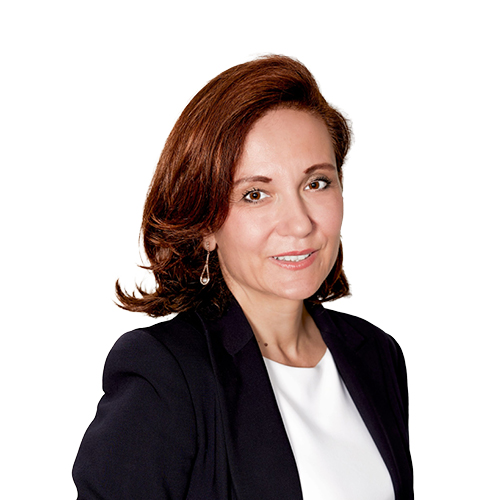
How private debt has grown 5.5-fold since 2010, from gap-filler after Basel III to a mainstream asset class under AIFMD II, while Europe remains underpenetrated. She explains why investors allocate, and sets out her return–liquidity–complexity triangle and five questions for every manager.


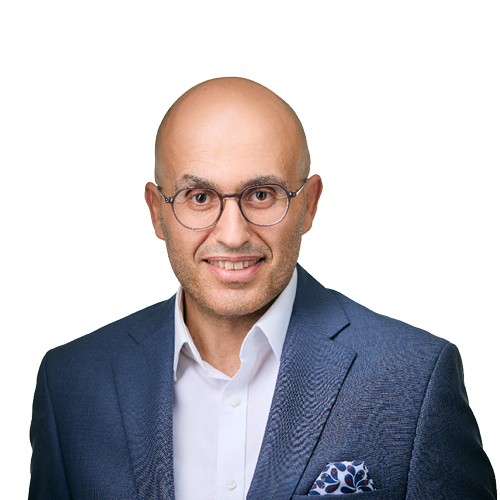
Description: European private credit has raised record funds and moved to ever larger loans, and the next phase will be shaped by the segments that scale cannot reach. Alexandre Bartolini, Managing Partner of GrowthPath Investments, will explain where those gaps are opening, how disciplined lenders assess credit risk when money costs more, and what AIFMD II and the EU loan-origination rules change for specialist lenders.



Private Equity: Value Creation in a New Market Cycle
Liquidity, Longer Holds and the Reinvention of the Private Equity Playbook
Private equity is entering a structurally different phase. Higher interest rates, slower exit markets and longer holding periods are shifting the focus from leverage-driven returns to operational performance and strategic transformation. Fund managers are adapting through continuation vehicles, co-investments and innovative capital structures, while limited partners increasingly scrutinise real value creation and cash distributions. This session will analyse how the industry is redefining returns, managing liquidity and identifying the next generation of investment opportunities.


Financial engineering won’t generate the required returns for PE and given leverage has never been part of the playbook for growth capital, it can provide important lessons in operational improvement

What institutions, managers, wealth managers and advisers are doing in private markets, and what they need to deepen allocations.



AIF's: Capital Raising & Cross-Border Distribution
Structuring, Passporting and Competing in the European Capital Market
As alternative investment funds expand across private markets, capital raising is no longer simply about performance — it is about distribution architecture, regulatory positioning and jurisdictional strategy. With the implementation of AIFMD II, managers must reassess how and where they structure vehicles, how they passport across Europe and how they access both institutional and wealth capital. This session will look into the competitive dynamics within the European Union, the evolving compliance landscape and the strategic decisions that will define successful cross-border fundraising by 2027.



Access opens the door. Infrastructure makes growth work.



The India Dimension
Structuring Inbound and Outbound Investment Through Cyprus Funds
India has emerged as one of the most dynamic growth markets globally, attracting increasing allocations from private equity, venture capital, private credit and infrastructure investors. At the same time, Indian capital is expanding internationally across technology, energy, healthcare and real assets. As cross-border investment flows intensify, structuring efficiency, regulatory alignment and jurisdictional positioning become critical.
This session examines how Cyprus-based Alternative Investment Funds can facilitate inbound and outbound investment between India and Europe, the structuring considerations involved and the strategic opportunity for Cyprus to serve as a gateway platform in this evolving capital corridor.






AI, Technology & Innovation in Alternative Funds
From Operational Efficiency to Investment Intelligence
Technology is transforming alternative investments across the entire lifecycle — from sourcing deals and underwriting risk to monitoring portfolios and reporting to investors. Artificial intelligence and data analytics are moving beyond experimentation into practical deployment, while digital infrastructure is redefining fund operations and investor access. This session explores how managers are integrating technology into investment decision-making, operational processes and distribution models, and what this means for competitiveness in the next generation of asset management.
The presentation explores how the democratization of artificial intelligence is reshaping the foundations of investment advantage. As access to data, analytical tools and AI-driven insights becomes increasingly widespread, competitive differentiation will depend less on technology itself and more on how effectively investors apply it through proprietary insight, sector expertise, disciplined judgement and the ability to identify and support exceptional founders. Drawing on the perspective of KPMG’s Innovative Deals Advisory practice, the presentation also considers how AI is transforming startups, due diligence and investment decision-making, while highlighting the enduring importance of human conviction, strategic networks and execution capability in creating long-term value.

Discover how technology (especially AI) is reshaping the future of alternative investments and creating new sources of differentiation including alpha-capture and ultimate portfolio diversification opportunities. This session will include real-world case studies and practical applications covering commodities, digital assets and impact funds. Transparency, regulations, ethics and explainability considerations will also be covered.

AI agents are starting to choose fund managers. Before the Summit, Resolve tested every CySEC-authorised AIFM’s website and asked ChatGPT, Gemini and Perplexity the questions an allocator would ask. Brian Walsh, CEO of Resolve, shares what they found and what managers can do now to be both findable and investable.





- Opportunities, Responsibilities and Supervisory Priorities
- The EU Regulatory Agenda and Market Integration
- AIFMD II and MISP: Key Reforms for the Funds Industry
- Supervisory Insights and Emerging Priorities
- Maintaining Trust in a Changing Regulatory Environment
Investment Outlook 2027
Global growth is expected to remain resilient over the next 6–12 months, with inflation moderating despite geopolitical fragmentation, tariffs and higher energy prices. Strong AI investment, consumers’ and China’s ability to absorb higher costs, and gradual central-bank policy continue to support the outlook, while risks include a fading AI boom, a worsening energy shock or tighter financial conditions.
Investment implications: The backdrop remains supportive for bonds, with elevated yields offering attractive income and downside mitigation. Global diversification and careful credit selection remain key.
Private Credit: The Maturation of a European Asset Class
From Direct Lending to Asset-Backed & Infrastructure Financing
Private credit has evolved into a core component of European capital markets, increasingly financing corporates, infrastructure and specialised asset portfolios as banks retrench and institutional allocations grow. As the asset class expands, attention shifts from rapid growth to sustainability — underwriting discipline, refinancing risk, liquidity management and regulatory oversight. This session will provide expert perspectives on opportunities, risk assessment and the implications of AIFMD II and the EU loan-origination regime for the next phase of market development.
How private debt has grown 5.5-fold since 2010, from gap-filler after Basel III to a mainstream asset class under AIFMD II, while Europe remains underpenetrated. She explains why investors allocate, and sets out her return–liquidity–complexity triangle and five questions for every manager.
Description: European private credit has raised record funds and moved to ever larger loans, and the next phase will be shaped by the segments that scale cannot reach. Alexandre Bartolini, Managing Partner of GrowthPath Investments, will explain where those gaps are opening, how disciplined lenders assess credit risk when money costs more, and what AIFMD II and the EU loan-origination rules change for specialist lenders.
Private Equity: Value Creation in a New Market Cycle
Liquidity, Longer Holds and the Reinvention of the Private Equity Playbook
Private equity is entering a structurally different phase. Higher interest rates, slower exit markets and longer holding periods are shifting the focus from leverage-driven returns to operational performance and strategic transformation. Fund managers are adapting through continuation vehicles, co-investments and innovative capital structures, while limited partners increasingly scrutinise real value creation and cash distributions. This session will analyse how the industry is redefining returns, managing liquidity and identifying the next generation of investment opportunities.
Financial engineering won’t generate the required returns for PE and given leverage has never been part of the playbook for growth capital, it can provide important lessons in operational improvement
What institutions, managers, wealth managers and advisers are doing in private markets, and what they need to deepen allocations.
AIF's: Capital Raising & Cross-Border Distribution
Structuring, Passporting and Competing in the European Capital Market
As alternative investment funds expand across private markets, capital raising is no longer simply about performance — it is about distribution architecture, regulatory positioning and jurisdictional strategy. With the implementation of AIFMD II, managers must reassess how and where they structure vehicles, how they passport across Europe and how they access both institutional and wealth capital. This session will look into the competitive dynamics within the European Union, the evolving compliance landscape and the strategic decisions that will define successful cross-border fundraising by 2027.
Access opens the door. Infrastructure makes growth work.
The India Dimension
Structuring Inbound and Outbound Investment Through Cyprus Funds
India has emerged as one of the most dynamic growth markets globally, attracting increasing allocations from private equity, venture capital, private credit and infrastructure investors. At the same time, Indian capital is expanding internationally across technology, energy, healthcare and real assets. As cross-border investment flows intensify, structuring efficiency, regulatory alignment and jurisdictional positioning become critical.
This session examines how Cyprus-based Alternative Investment Funds can facilitate inbound and outbound investment between India and Europe, the structuring considerations involved and the strategic opportunity for Cyprus to serve as a gateway platform in this evolving capital corridor.
AI, Technology & Innovation in Alternative Funds
From Operational Efficiency to Investment Intelligence
Technology is transforming alternative investments across the entire lifecycle — from sourcing deals and underwriting risk to monitoring portfolios and reporting to investors. Artificial intelligence and data analytics are moving beyond experimentation into practical deployment, while digital infrastructure is redefining fund operations and investor access. This session explores how managers are integrating technology into investment decision-making, operational processes and distribution models, and what this means for competitiveness in the next generation of asset management.
The presentation explores how the democratization of artificial intelligence is reshaping the foundations of investment advantage. As access to data, analytical tools and AI-driven insights becomes increasingly widespread, competitive differentiation will depend less on technology itself and more on how effectively investors apply it through proprietary insight, sector expertise, disciplined judgement and the ability to identify and support exceptional founders. Drawing on the perspective of KPMG’s Innovative Deals Advisory practice, the presentation also considers how AI is transforming startups, due diligence and investment decision-making, while highlighting the enduring importance of human conviction, strategic networks and execution capability in creating long-term value.
Discover how technology (especially AI) is reshaping the future of alternative investments and creating new sources of differentiation including alpha-capture and ultimate portfolio diversification opportunities. This session will include real-world case studies and practical applications covering commodities, digital assets and impact funds. Transparency, regulations, ethics and explainability considerations will also be covered.
AI agents are starting to choose fund managers. Before the Summit, Resolve tested every CySEC-authorised AIFM’s website and asked ChatGPT, Gemini and Perplexity the questions an allocator would ask. Brian Walsh, CEO of Resolve, shares what they found and what managers can do now to be both findable and investable.
Organisers

Gold Sponsors



Silver Sponsors


Sponsor

Supporters



With the Support of

Communication Sponsors



Coordinator
